Name : Retrocell® PL Eco G
Description
This is a robust Neutral Cellulase enzyme for efficient fuzz removal and softening of fabric surface, under neutral condition. This is produced by submerged fermentation process from harmless microbial species.
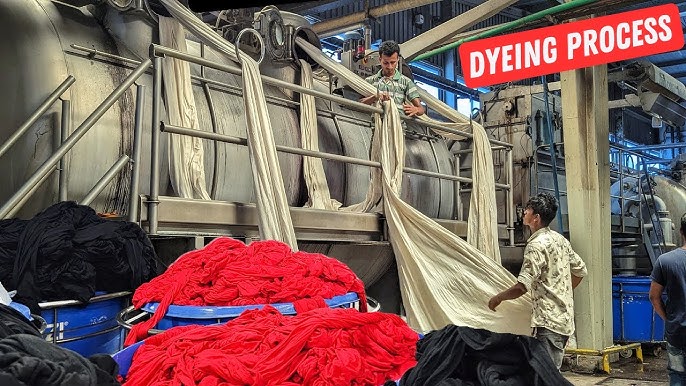
Retrocell PL Eco G works efficiently at much wider pH ranges than conventional Acid Cellulase, removing the need for regular pH check after fabric dyeing or bleaching. Simplifying the Dyeing and polishing process into same bath, eliminating checks and drains, this special feature helps in drastically reducing fabric processing time and energy. This in turn results in consistency of end product after each batch and sigficant cost saving for processor.
PL Eco G demonstrates benefits as below:
Robust Neutral Bio-polishing, needs least process control!
Simplify Dyeing and Polishing by combining
Better color retention
Less Acid consumption
Less strength loss over conventional Acid Cellulase treatment
CASE HISTORY
Mill Parameter
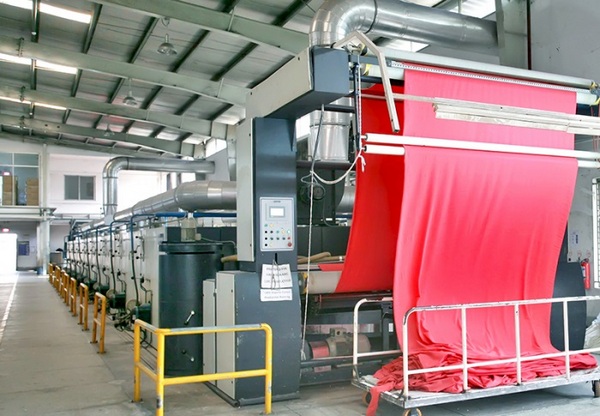
Capacity: 35 tons dyeing capacity/ day
Machine: Schlavos/ Fongs/ Thies
Fabric: Jersy/ Pique/ Lacoste/ Rib/ Interlock/ Fleece
Application: Once scouring-bleaching is done, PL Eco is dosed at 0.3% fabric wt/wt, run for 10 minutes in same bath. Then ran salt ( 10 mints)/ dyes ( 20 mints)/ labelling (10 mints) on subsequent addition. Once treatment is carried out for 40 minutes, water drained.
Epygen Labs pH vs Efficiency
Swatch was cut to see the enzyme performances and followed by alkali treatment before softening and finishing of fabric.
Benefits:
- Clean fabric surface with less pill tendency
- 2 hours of time saving / batch
- 7 kg of water saving/ kg fabric processed
- 25 % saving in Utility bill (Electricity/ steam/ energy bill)
- 10% saving in labour
- Better color retention
- Epygen Labs Textile Bio-Polish
Name : Retrocell® PL Eco Plus
Description
Concentrated Neutral Bio-polish enzyme for bio-polishing and bio-softening of fabrics, at Low dosages (0.2 to 0.3%). This enzyme is highly accepted among mill engineers mainly due to dose economy.
Retrocell® PL Eco Plus is a concentrated Neutral Bio polish enzyme for fuzz removal on fabric for a clean and even surface appearance, at a wide range of pH (Neutral). This enzyme can be used in the Dye Bath, without the need of pH control and bath drop/change. Unlike softener, PL Eco Plus accomplish the jobs without polluting the environment and conserving precious resources like water, time and chemicals.
PL Eco Plus offers below advantages:
- Efficient fibril and pill balls removal at Low Dosages
- Simplify Dyeing and Polishing by combining
- Better color retention
- Less Acid consumption
- Less strength loss over conventional Acid Cellulase treatment