

x
e p y g e n
logo

TEXTILE & GARMENT ENZYMES

ACID BIOPOLISH

Awesome Image

The textile industry has long utilized enzymes, beginning with the application of amylase for starch removal during de-sizing. Today, advanced specialty enzymes play a critical role in various textile processes, including biological scouring, anti-pilling, fabric polishing, garment washing, fading, and stone washing. These enzymes, such as those designed for residual peroxide removal and dye bath bio-polishing, address growing environmental and cost concerns while enhancing process efficiency. By leveraging enzyme technology, the industry achieves cleaner, more sustainable methods that align with modern ecological standards and deliver high-quality textile finishes.

Innovative enzyme solutions, such as those developed by Epygen, are tailored to meet the dynamic demands of the textile and garment processing industry. Through advanced enzyme engineering, strains isolated from diverse biological environments are optimized for specific applications, such as cold-water stone washing of denim, which minimizes back-staining while delivering superior finishes. Epygen’s enzyme scientists focus on understanding complex natural substrates like cotton, customizing enzyme proteins to maximize efficiency and performance. This combination of cutting-edge science and alignment with fashion trends enables cleaner, more cost-effective processes, making Epygen enzymes a trusted choice in the industry.
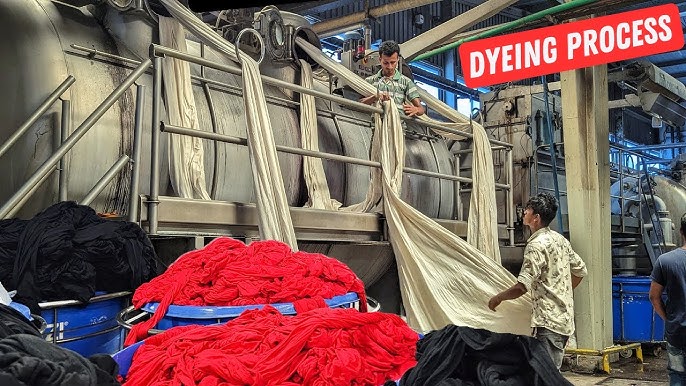
A suitable combination of Endo Glucanase and Cellobiohydrolase tenders micro-fibrils protruding from the surface of yarn in the wet process, and the weakened micro-fibrils break off from the main body of the fibre leaving a smoother yarn surface, preventing pilling. Bio-finishing also results in a softer, smoother and optically enhanced fabric.

Name: Retrocell® PLX

Description: Engineered Cellulase with critical balance between endo and exo activity for aggressive fuzz removal in knitted and woven fabric at low dosages.

Apart from Bio-polishing on the fabrics, this enzyme treatment offers a number of other benefits in physical properties such as improvement in pill resistance, cooler feel, luminosity of colors and softness etc.

PLX is engineered to offer below benefits on fabric:

  • Aggressive de-pilling
  • Efficient fuzz removal
  • Superior Hand-feel
  • Strong Color pull/ abrasion on Garments

Name: Retrocell® BPL

Description : Is an aggressive Concentrated liquid Bio-polishing Cellulase, produced by Fermentation of a non-pathogenic fungi, genetically developed for hydrolysis of cotton Micro-fibril in knitted or woven fabric, at LOW DOSAGES.

At low dosages, Retrocell BPL removes surface fuzz under milder conditions and is absolutely safe, efficient and permanent. This enzyme gives fabrics a clear, even surface appearance. This treatment reduces tendency to pill and improve intrinsic softness of fabric, when compared to traditional softeners.

Once applied on fabric surface, it offers:

  • Efficient Bio-polishing at Low Dosages
  • Superior hand feel
  • High Yield
  • Controlled strength loss

Name : Retrocell® PL 6X Plus

Description: Super concentrated Acid Bio-polishing Cellulase enzyme for 4-5 times Dilution by formulators. This enzyme is produced by non-pathogenic fungi, specially optimized for high protein expression levels and efficiently depolymerize selected components of cotton fabric, resulting in fuzz and pill ball removal in Jet Dyer or Soft Flow equipment.

PL 6X is concentrated form for Acid Biopolishing enzyme, meant for dilution only. Diluted product may run between 4.5 to 5 pH and 55 to 60 Degree C temperature for 30 to 45 minutes to achieve following results:

  • Aggressive fuzz removal
  • Efficient Bio-finishing of fabric
  • Highly effective for white Dyeing

Awesome Image